


Blog
Preparing bees for winter


Lullaby for bees
Aa aa pupa
Who surrounds the bee?
Ignas and his mother
Ir Viliukas kai kada…
Kai ateina ruduo, dauguma mūsų galvoja apie malkas, šiltesnius drabužius ar žiemos atsargas. Bitėms šis metų laikas dar svarbesnis. Nuo to, kaip jos pasiruoš žiemai, priklausys ne tik jų išlikimas, bet ir pavasarį atgimsianti visa bičių šeima.
Nors dažnai įsivaizduojame, kad žiemą bitės tiesiog miega avilyje, iš tiesų viskas vyksta visai kitaip. Jos nemiega, nuolat palaiko šilumą, rūpinasi motinėle ir taupiai naudoja sukauptas maisto atsargas. Tuo metu darbo netrūksta ir bitininkams – būtent rudenį atliekami svarbiausi darbai, nuo kurių priklauso sėkmingas žiemojimas.
Šiame straipsnyje papasakosime, kaip bitės išgyvena šaltąjį sezoną, kaip jas žiemai ruošia bitininkai ir kodėl kiekviena smulkmena gali turėti lemiamos reikšmės visai bičių šeimai.
Snowdrops do not snore
Not only do they not snore, they don’t even sleep. And it doesn’t matter if it’s summer or winter – they are always working, day in, day out. If summer is spent travelling, winter is spent scratching their heads. And no, it’s not a new grooming tactic – it’s a way to keep the temperature in the hive the same. “Ignas and Vilius, beekeepers at Brolių medaus, joke that only beekeepers get cold in winter, so it’s not a good idea to stuff hives with warm bedding. The hive needs good air circulation, so even the bottom of the hive remains uncovered in winter – the bees take care of the heating and ventilation system themselves.
Honey rinkėjos peržiemoja susisukusios į kamuolį. Jo centre – namų ponia, kraštuose – vyriausios bitės, o viduryje – mažylės. Dar prieš rudenį bičių šeima pasipildo jaunomis bitėmis (kuo jų daigiau – tuo geriau), kurių vienintelis tikslas – peržiemojus užauginti naująją kartą medunešiui. Šios bitės, kitaip nei darbymečio bitės, išgyvena net iki 5-6 mėnesių, tad žiemą avilyje kartos nesikeičia. Nors motinėlė ir nesiliauja dėjusi kiaušinėlių, bitės, suprasdamos, jog neišgalės išmaitinti naujos kartos, tuos kiaušinėlius pašalina. Tad avilyje žiemoja apie 20 – 30 tūkt. bičių.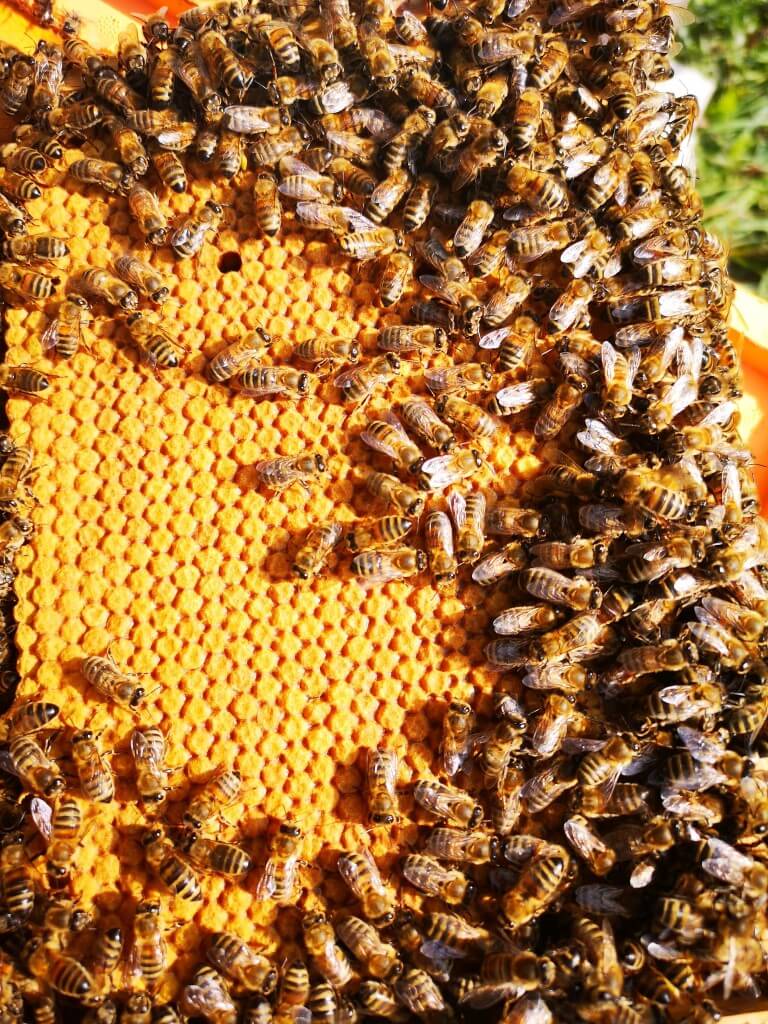
In winter, the hive is truly tropical. In strong colonies, the temperature inside the hive is 14-28°C, and if the bees start rearing a new generation, the temperature can go up to 34-35°C. A real resort, right? And they achieve all this with their intelligent heating system: when the outside air temperature drops to 7°C (14°C in weak colonies), the bees start to form a ball; the cooler it is outside, the more the bees swarm closer and move their abdomens around; and if the air is warm enough, the bee ball stays relatively loose or even disperses.
Preparing bees for winter:
- In the hive, extract the honey, reduce the varnish and apply the pest screen;
- Feed with invert syrup in three steps of one-third of the amount: Immediately after extracting the honey; 2. 3 times, at 3-day intervals, to stimulate brood rearing; 3. Final feeding to replenish the bees’ reserves;
- To treat and strengthen the bees: after the first feeding, organic mite medication; together with the second feeding, herbal immunity boosters;
- Estimate the amount of stock based on hive weight.
Dwarf works
Our dwarves don’t really sleep at midnight, and they work in the cold before winter. That’s what they advise their fellow beekeepers to do if they want strong, large colonies in spring.
Pirmiausia, itin svarbu gerai paruošti avilį: išvalyti jį, iškopinėti paskutinį medų bei teisingai sudėti rėmus. Lakas 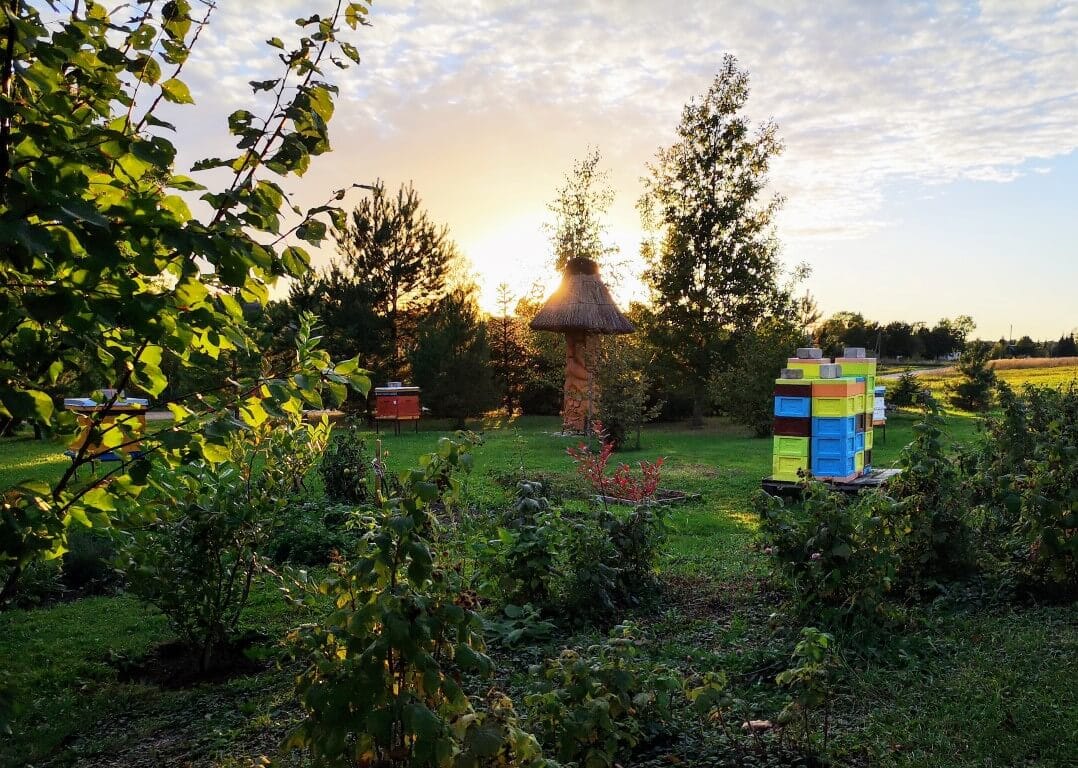 reikėtų susiaurinti ir uždėti nuo kenkėjų (ypač graužikų) apsaugančias groteles. Geriausiai bitutės žiemoja ir jaučiasi mažuose, bet aukštuose (ne dideliuose žemuose Dadano tipo) aviliuose. Neapsigaukite, tai nėra priežastis, kodėl bitės įsikuria daugiabučiuose. Nuosavą daugiaaukštį aviliuką jos nori turėti todėl, kad žiemoti pradeda pačioje avilio apačioje ir, nors jame lifto nė su žiburiu nerasi, jų kamuolys besimaitindamas vis kyla aviliu į viršų. Pasiekęs dangoraižio viršūnę kamuoliukas norėtų persikelti į kitą kambarį ir leistis žemyn, tačiau, ypač jei šeima yra silpna, tai joms gali nepavykti. Deja, tai reiškia istoriją be laimingos pabaigos. Taigi, kuo aukštesnis avilys – tuo daugiau laiko bitės gali kilti aukštyn, prisipildyti pilvukus ir saugiai grįžti žemyn, jei to prireikia. Tik nereikia persistengti ir pastatyti joms Pizos ar Eifelio bokštų. Pakaks kelių aukštų namuko kaime.
Bees overwinter best when they have sufficient food reserves. An average sized colony should leave 10 frames in the hive for the winter. At least two of these should be with bee bread – tai itin puikus baltymų šaltinis, kurio reikia norint, kad bitės būtų stiprios ir užaugintų kitą kartą darbštuolių. Į likusius korius darbininkės, kaip geros šeimininkės, pačios prisidės atsargų. Nors bitininkai neturi vieningos nuomonės apie medaus palikimą žiemai, visgi, patirtis shows that medaus korių bitėms nereikėtų daug palikti. Dabar, kai itin vystomas žemės ūkis, pagausėjo laukų su grikiais ir garstyčiomis. Iš jų gautas medus bitėms gali pridaryti daugiau žalos nei naudos: garstyčių medus žiemą taip sustingsta, jog bitės tiesiog neįstengia juo pasimaitinti, o buckwheat honey is particularly rich in minerals that stimulate the digestive system of the bits. Unfortunately, as there is no toilet in the hive, the honey bees can become inebriated and die from this honey. This is why beekeepers Ignas and Vilius advise that bees should be fed invert sugar syrup for the winter. This is also good for the little workers, as they do not need to process the syrup, unlike nectar.
Autumn feast
What would you do if you knew you wouldn’t leave home for six months? Bears and badgers hoard 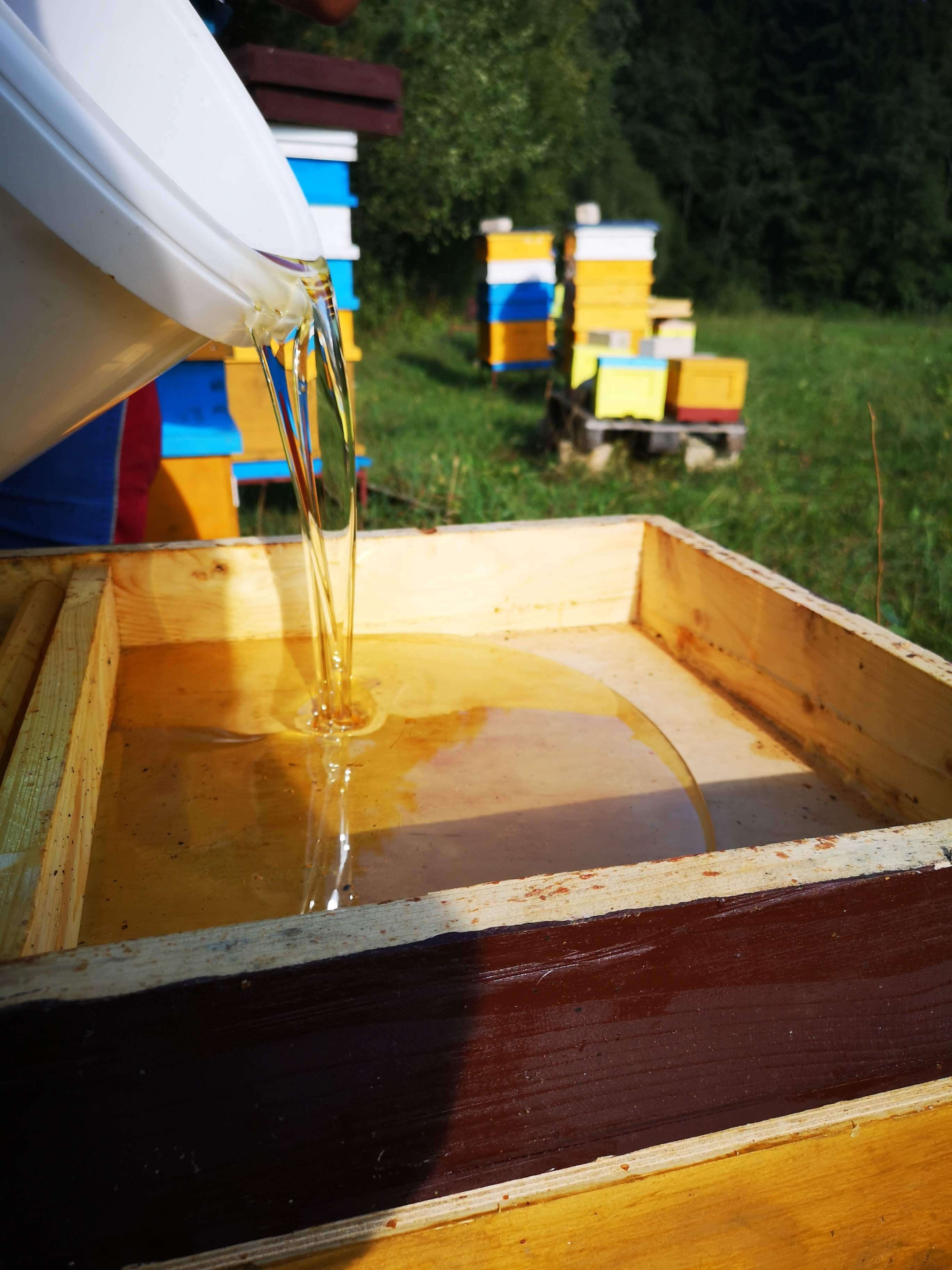 fat, squirrels for mushrooms, acorns and berries, roe deer for winter food, and bees often depend on our kindness. To help them fill their pantry, we need to feed them. After the last honey harvest (usually at the beginning of August), we start feeding the bees with invert sugar syrup. This is best done in three stages: firstly, to feed the bees so that they do not starve after harvesting; secondly, to feed the queen in three parts as an incentive for her to lay as many eggs as possible and to raise a new generation for the winter; and thirdly, to build up the bees’ winter stores. For a medium-sized colony, this should result in about 25-30 kg of syrup, divided equally into the three stages. Feeding is preferably weekly.
To keep our hard-working ladies healthy, we need to give them a little help. After the first feeding, the beekeeping brothers recommend giving the bees some organic mite medication. It is the organic medicines to which the mites do not acquire immunity and to which they do not become accustomed. Also, to reinforce the bees after a difficult summer, concentrated herbal supplements can be given to the bees during the second feeding to strengthen not only their bodies, but also their immune system, which is very important during the winter.
Oh, and here’s what you didn’t know about our beauties. Turns out they’re not as innocent as they look. The bitches are real Robin Hoods! They are happy to steal food from weaker families, so it’s important to feed them in the evening and with a tight lid so that each family can defend what is rightfully theirs. Beekeepers recommend leaving a gap of no more than 7 cm open in the collar.
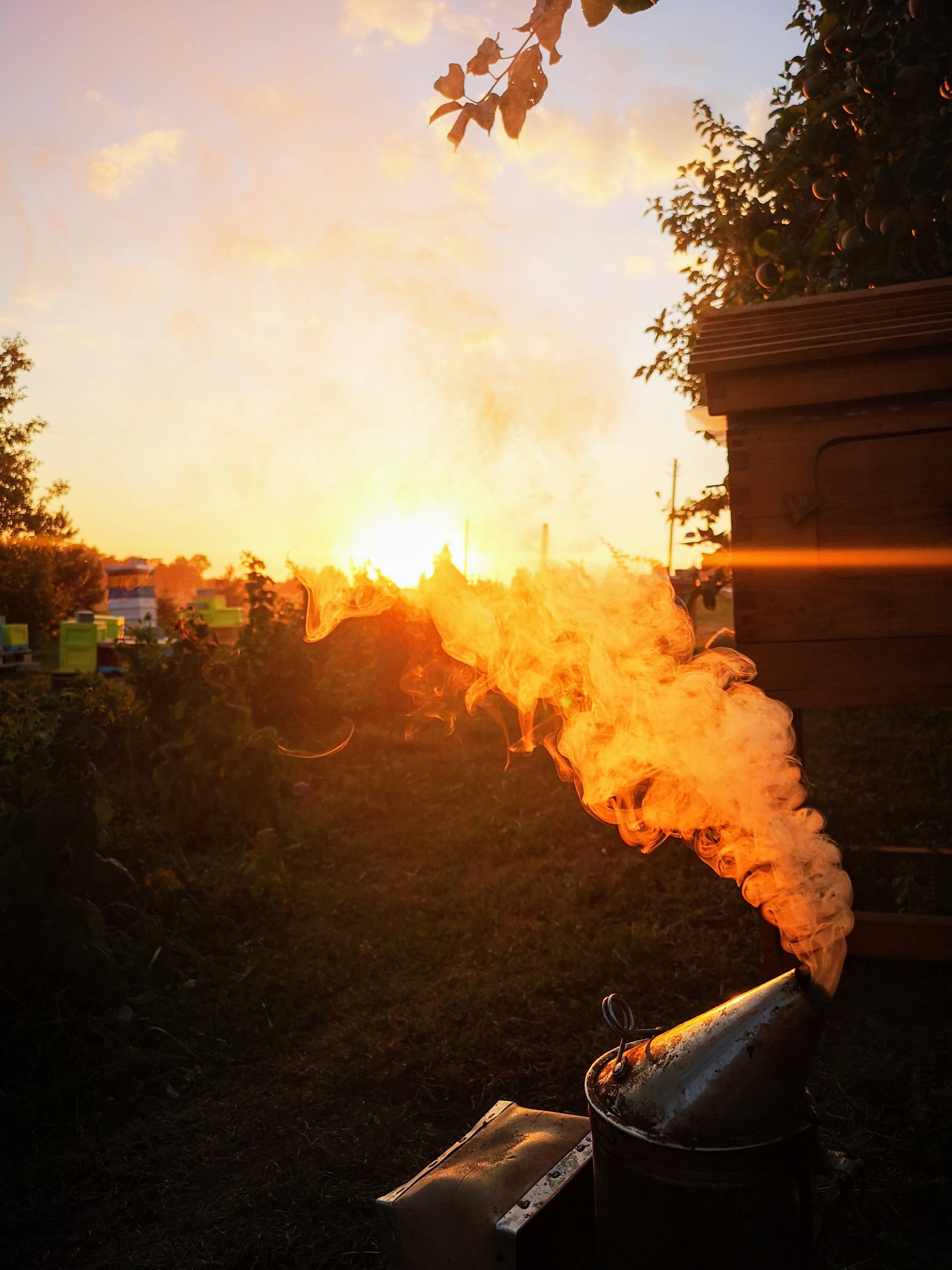
The only way to leave bees alone for the winter is to assess whether they have sufficient stores after foraging. This is easily done by lifting the hive by the edge with a few fingers and comparing its weight with other hives. If the hive is very light, it may not have enough stores. During winter or early spring it is important not to open the hive unnecessarily and to minimise the disturbance to the snow bees during their rest period. A colony living peacefully will consume 25-30 g of stores per day. If disturbances occur, this figure can increase tenfold and the bees will starve. It is therefore always best to check even the stock balance in the hive by assessing the weight of the hive. It is also very important to ensure that pests do not enter the hive and that the bees do not use up too much of the stock under stress. Inadequate overwintering conditions can also be caused by weather that is too warm – the bees will start producing brood, which also requires more food and energy resources.
Lullaby for bees
Žiemojimui tinkamai paruošus bites galima ir lopšinę padainuoti. Ne, tai nereiškia, kad jos užmigs. Tiesą sakant, jos netgi neišgirs… Bet juk taip poetiška gražiai ir su pagarba išlydėti tiek daug gero į mūsų gyvenimus atnešančius vabzdžius. Galų gale, ši lopšinė net ne bitėms, o mums, žmonėms, kurie net žiemą ne visada susispiečia į kamuoliuką šeimoje ir leidžia laiką kartu. Tad, gal bent palinkėję bitėms saugios ir ramios žiemos galime sudainuoti: „Aa aa pupa…“. Arba ką nors iš AC/DC repertuaro. Svarbu, kad kartu. Ir ne su bitėmis, o su vienas kitu. O kai ateis pavasaris ir aviliai vėl prisipildys gyvybės, mažųjų darbštuolių sukurtomis gėrybėmis galės džiaugtis ir vaikai – ypač mėgstantys guminukus, pagamintus naudojant natūralų lietuvišką medų.