


Blog
A beekeeper’s first date

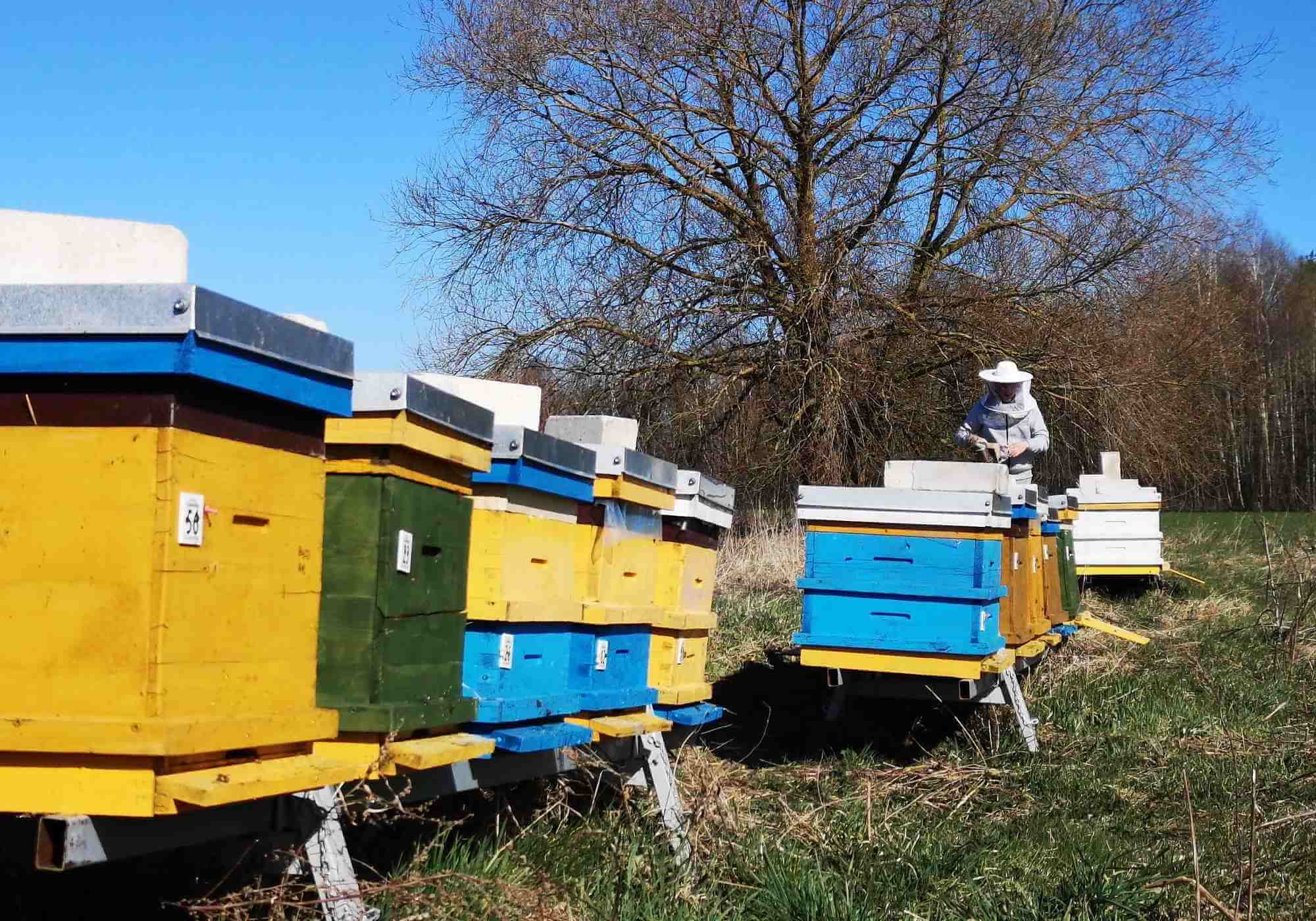
Pavasario laukia visi – ir žmonės, ir bitės. Su pirmąja šiluma bunda gamta, ilgėja dienos, atsiranda daugiau saulės, tačiau bitininkams šis laikas atneša ne tik džiaugsmą, bet ir nemažai atsakomybės. Pirmasis bitininko pasimatymas – tai pavasarinė bičių avilių apžiūra po žiemos, kurios metu vertinama bičių šeimos būklė, maisto atsargos, avilio švara ir bičių sveikata.
Pirmasis susitikimas su bitėmis po žiemos visuomet šiek tiek jaudinantis. Po kelių ramių mėnesių norisi kuo greičiau atverti avilį ir pažiūrėti, kaip sekasi mažosioms darbininkėms. Tačiau pavasarį bitėms ypač svarbi ramybė, tinkama priežiūra ir atsargūs sprendimai.
Todėl šiame straipsnyje pasidalinsime, nuo ko prasideda pirmieji pavasario darbai bityne ir į ką svarbiausia atkreipti dėmesį po žiemos.
To the hive in a T-shirt only
Yes, yes, you read that right. No, it’s not to make you feel bad. It’s that if the hive is opened too often, it gets colder, it’s harder for the bees to keep the hive at a constant temperature, it increases the risk of disease, and it disrupts the life of the colony, which is far from being a good thing. Would you like a breath of cold air to tickle your tummy and warm your home? There is no point in poking around their houses, pulling out their honeycombs and imposing your own order. After our careless visit, the bees may have to repair their honeycomb and “repair” their home instead of taking the time to raise the next generation or prepare for nectar production. Snooping around the hive can injure the queen and the workers will have to raise a new queen, which does not bode well for the colony. And if you really want to assess whether the bees are getting enough food, lift a multi-storey hive by the edge of the hive and assess its weight and compare it with other hives. If you find a hive that is disproportionately light, feed the bees and wait for the first date in spring. The best time to meet the bees for a thorough assessment and to open the hives is when you can go to the hives in a T-shirt instead of a winter jacket (average air temperature ~15°C). This will not only not freeze the bees, but also not disturb their life rhythm.
 Spring Cleaning
Jei jau nusprendėte, kad visai tinkamas metas vaikščioti su marškinėliais, pasisveikinimą su bitėmis derėtų pradėti nuo švarinimo darbų. Kad ir kaip liūdna bebūtų, pavasarį teks nuimti avilio dugną ir išvalyti iš jo numirusias biteles. Jų turėtų būti saujelė ar dvi. Bičių išėjimas – natūrali gamtos ciklo dalis, kuri žiemą sulėtėja, mat bitės žiemą išgyvena net kelis mėnesius ir, galiausiai, užauginusios naująją kartą, pasirūpinusios karalienės gerove ir, dažniausiai, net nesužinojusios, ką reiškia nešti medų, išeina užtarnauto poilsio. Taigi nuėmus avilio dugną ir atsisveikinus su bitėmis jas geriausia sukratyti į kokį nors indą. Surinkus visas išėjusias biteles iš visų avilių patariame jas sudeginti – taip apsaugosite savo avilius nuo galimų ligos sukelėjų, o be to – pagarbiai išlydėsite gamtos tarnaites.
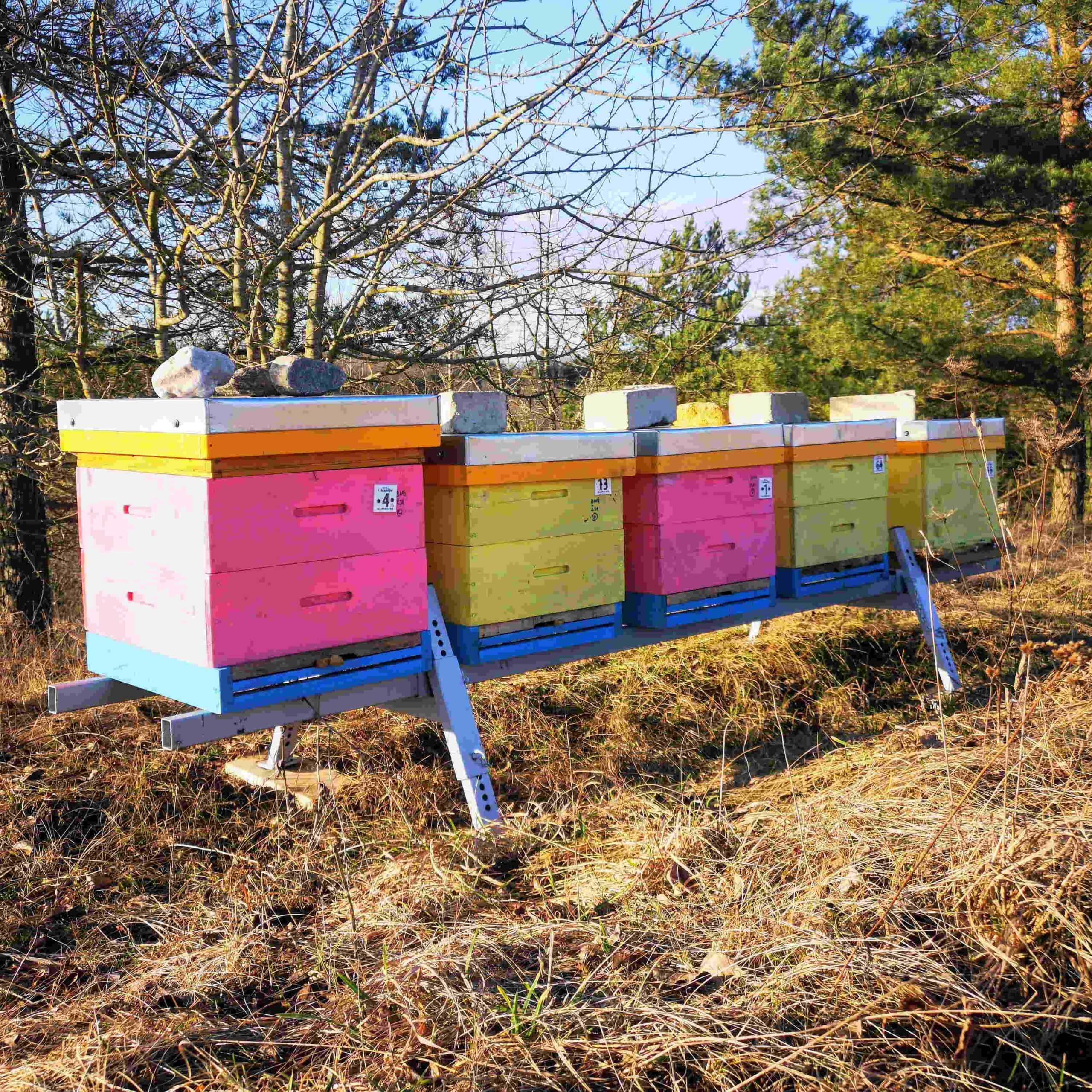
Bitės – tikros pedantės. Daugumą avilio švarinimo darbų atlieka pačios: „išplauna“ korius, sutvirtina rėmelius pikiu, visus nešvarumus sumeta avilio dugnan arba nugabena į lauką. Todėl avilio dugnui turime skirti papildomo dėmesio. Kadangi avilys yra vieta, kur gimsta ne tik maistas, bet ir vaistas, jame ne valia naudoti jokiu cheminių ir į medieną įsigeriančių lakių medžiagų. Todėl avilio dugną dezinfekuojame ugnimi. Kaskart pavasarį keliaudami prie avilių nešamės dujinį degiklį ir jo liepsnos “paragauti” duodame visam avilio dugnui bei jo šonams. Tai yra laiko patikrinta, kokybiška, ekonomiška ir pati ekologiškiausia dezinfekavimo priemonė.
The hive itself should also be put in some order. In spring, we review the frames with combs. If a new generation has hatched, you may find dark, old combs in the hive. It is best to replace them with new frames with wax plates, as old combs may also contain disease agents. It is useful to monitor the hives after the wax plates have been added. If the bees are getting stronger very quickly and are sewing new combs, the honey harvest will start soon. When new frames are added, it is also useful to observe how many frames are “covered” with bees. If it is more than two thirds, a honey store should be placed on the nesting floor just before the start of the harvest to give the bees a place to store the fruits of their labour. If only half of the frames are covered with bees, the colony should be reinforced with bees from another hive or wait until it is stronger on its own.
Bičių maitinimas pavasarį
Prepare the horns in spring and the food for the bees in autumn. Winter stores should be taken care of before the winter and not disturb the bees’ rest during the cold season. Read more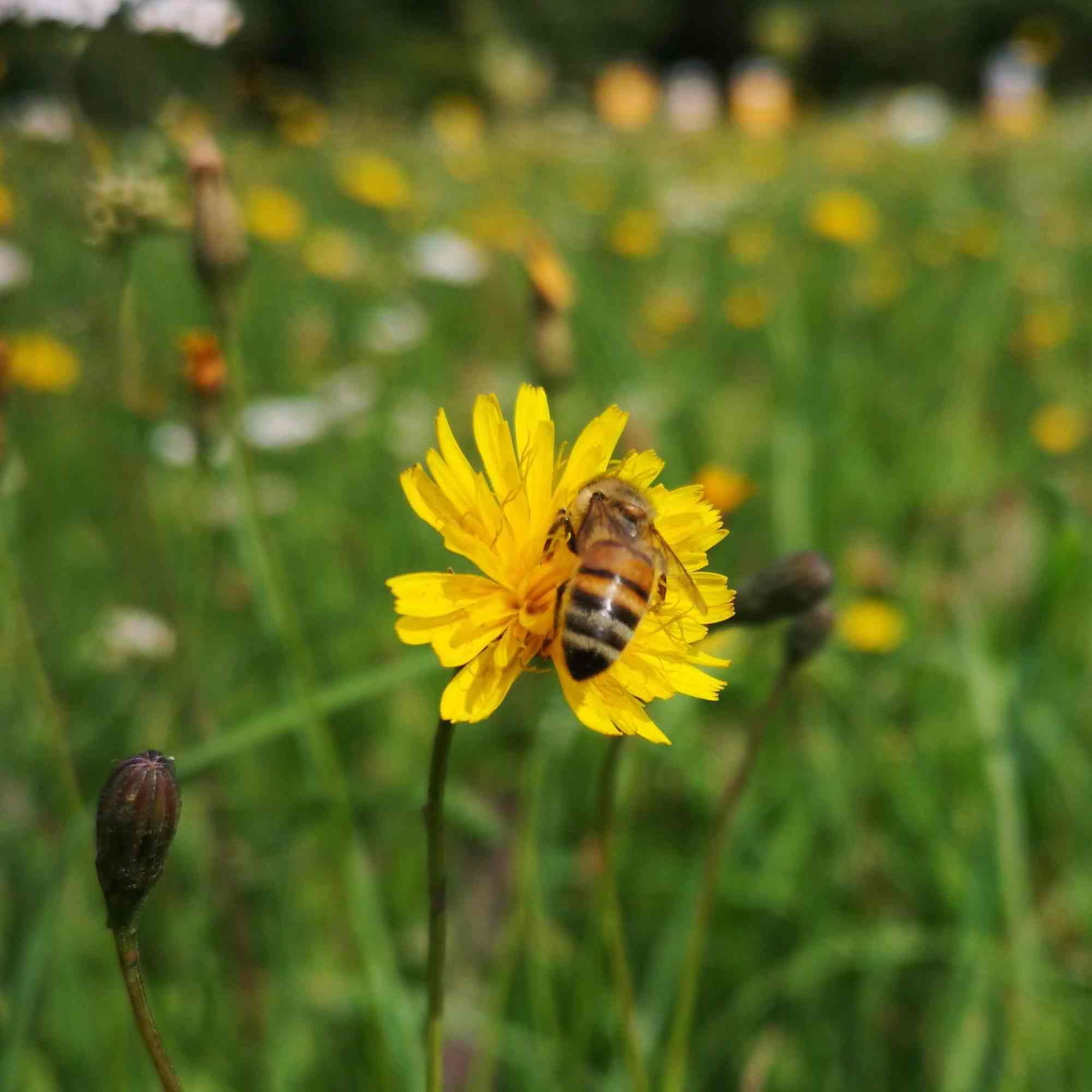 Feeding should start as early as the spring. The best way to stimulate the bees in early spring is with sugar syrup. Such stimulating feedings should be carried out every third day until the flowering of spring plants. Feed the bees with approximately 0,5 l of syrup twice a week. However, if it is an early spring with the promise of frost, the most effective way to feed the colonies is to feed them with a bite-sized dough with protein or with with pollen. Ši tešla nebijo šalnų, tad bitės ją lengvai pamins net nukritus oro temperatūrai. Tuo tarpu kai šalta, cukraus sirupo bitės privengia. Visgi, reikėtų nepamiršti, jog šios tešlos galima duoti tik jau apsiskraidžiusioms ir išsituštinusioms darbininkėms. Kandi tešla su with pollen bitėms, kurios dar neapsiskraidžiūsios ir neišsituštinusios, nes yra per šalta, gali būti pražūtinga – jos ima viduriuoti avilyje ir žūsta. Taip pat vertėtų žinoti, jog apsiskraidžiusios ir perus auginti pradėjusios bitės suvartoja net 4 kartus daugiau maisto, nes tam, kad užaugtų naujoji karta būtina pakelti avilio temperatūrą. Tas nuolatinis pilvelių kratymas tikrai reikalauja papildomos energijos. Bitininkai taip pat turėjo pastebėti, jog šią žiemą (tiksliau žiemos rudenį) bitės suvartojo daugiau maisto, nes visiškai žiemoti taip ir nebuvo nuėjusios.
You may have heard that water is life. So, then. If you’ve been thinking that bees only eat nectar, we’ve got news for you – bees drink! And quite a lot. That’s why beekeepers like to build their hives near bodies of water. If a bee is full of energy, it’s no big deal for it to drink water from a pond, but if it’s far from a pond, the little worker bee may not be able to get up once it’s flown and drunk. In spring, as the hive is in full swing, the bees’ need for water increases significantly. As they get very little water from nectar, we recommend that you build special watering troughs next to your hives, or “make your own” one. This will not only make the bees’ work easier and faster, but will also ensure that no unfortunate bee will be blown away by an unfavourable wind or caught in a downpour and never return to the hive again.
Tačiau ne tik bitėms, bet ir žmonėms svarbi kokybiška bei natūrali mityba, todėl vis daugiau šeimų renkasi guminukus su medumi kaip skanų būdą mėgautis bee products.
 Health is our most precious asset
And not just for us, but for the bees too. Diseases can reduce honey products nešėjų produktyvumą, perų auginimą ar net sunaikinti ištisas šeimas. Bitėms itin pavojingos varoatozės erkutės silpninančios jų imuninę sistemą. Šias erkutes ne taip paprasta pastebėti, todėl dažnai bitininkai teigia, jog jų bitės yra sveikos. Erkutės prisikabina prie bičių kūnelių ir, dėl jų spalvos panašumo į bičių plaukelius, puikiai susilieja su skraiduole. Deja, pavartojus vaistų nuo šių erkučių dažnas nustemba, jog randa gana gausų jų derlių ant avilio dugno. Lieka tik pasidžiaugti, jog yra sukurta natūralių priemonių pavasarinei kovai su parazitais ir kiekvienas bitininkas gali atsirinkti jam tinkamiausias. Dauguma šių vaistų sukurti skruzdžių rūgšties pagrindu. Skruzdžių rūgštis – natūrali gamtoje esanti medžiaga, su kuria bitės nuolat susiduria. Taip pat svarbu, jog ji nesikaupia avilyje ir nepatenka į medų, tad produkcija išlieka sveika. Bites gydyti reikėtų pavasarį, kai tik mažosios darbininkės pradeda ant kojyčių atsinešti žiedadulkių bei oras yra šiltas ir malonus tiek bitei, tiek bitininkui. Po gydymo stebime erkių kritimą ir, jei reikia, gydome antrą kartą.
Help but trust
Bitės gyvena jau ne šimta ir ne kelis šimtus tūkstančių metų. Tai – viena seniausių rūšių esančių Žemėje. Todėl labai svarbu išmokti įsiklausyti į darbštuoles – jos visada pateiks reikiamus atsakymus: bitės skraido ir siuva korius – lauk šilumos, bitės kaupia atsargas – lauk vėsumos, bitės anksti suskrenda į avilį – lauk lietaus. Mažosios medaus nešėjos tiek daug mato, jaučia ir žino, kad mums kartais reikėtų iš jų pasimokyti. Ne retai norint gero ir per daug kišantis į avilyje bei bičių gyvenime nusistovėjusią tvarką galima pridaryti daugiau žalos, nei naudos. Tad padėkime, bet ir pasitikėkime savo bitėmis ir šia draugyste džiaugsimės ilgai, tvariai bei nuoširdžiai.